
QUITO
Cultural
Descubre la riqueza cultural de la capital ecuatoriana con nuestro cautivador programa «Quito Cultural».
¡Te invitamos a hacerlo juntos!
TOCANDO EL CIELO
Descubre los secretos mejor guardados de esta ciudad milenaria, donde cada calle empedrada y cada rincón histórico cuentan la historia de Ecuador. Desde el esplendor colonial de su Centro Histórico hasta la modernidad de sus expresiones artísticas contemporáneas, este programa te llevará en un viaje único a través del tiempo y la diversidad cultural de Quito. Sumérgete en museos, monumentos y encuentros auténticos que revelarán la riqueza y la vitalidad de la capital ecuatoriana. Únete a nosotros para explorar, aprender y disfrutar de la autenticidad de «Quito Cultural». ¡Bienvenido a una experiencia única en la encrucijada de la historia y la modernidad!
- 8 hora
- 08h00
INCLUYE
- Transporte turístico
- Guía bilingüe
- Entradas a los sitios de visita
- Almuerzo
NO INCLUYE
- Gastos personales
- Propinas
- Ítems no especificados
ITINERARIO
1
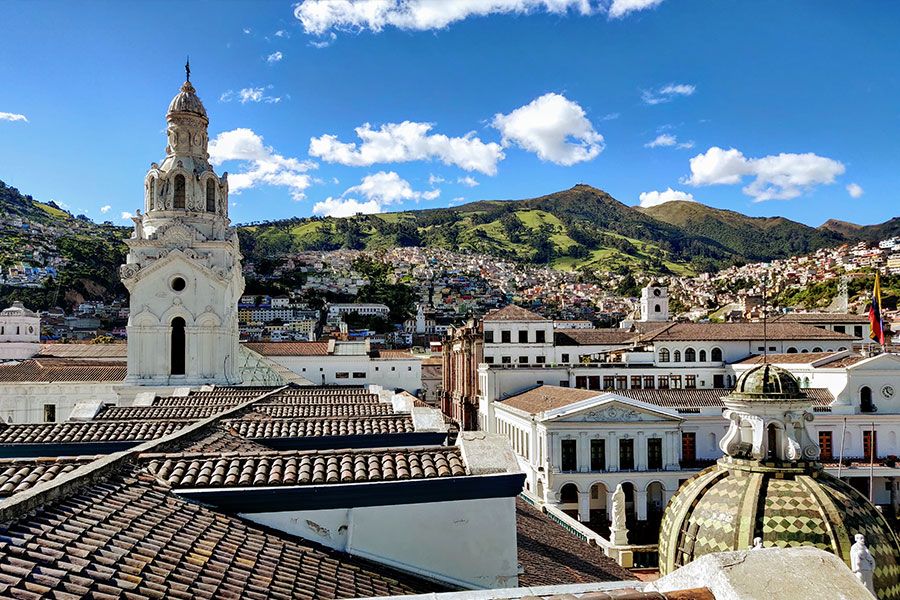
Tour de Cúpulas
El recorrido inicia en la Plaza de la Independencia, desde se puede visualizar la plaza, las importantes edificaciones que la rodena y así mismo recorrer por otras plazas cercanas y lugares de lo que fue y de lo que es ahora nuestra capital. Nos dirigiremos a una de nuestras cúpulas en donde tocaremos prácticamente el cielo quiteño.
2
Catedral Primada de Quito
– La Catedral Primada de Quito, es una de las iglesias más importantes de la ciudad, su historia se remonta al año de 1535, cuando luego de la fundación española de Quito, se prosigue a la traza de calles y asignación de solares a los habitantes de la ciudad, entregándosele todo el sector sur de la que sería la Plaza Mayor al primer cura de Quito, el Presbítero Juan Rodríguez. Su construcción cuenta con varios estilos como el barroco, mudéjar, rococó, neogótico y el neoclásico. Posee una importante colección de obras de arte como: “La sábana santa” de Caspicara; “La Muerte de la Virgen” de Miguel de Santiago y “La negación de San Pedro”, entre otras importantes pinturas coloniales.
3
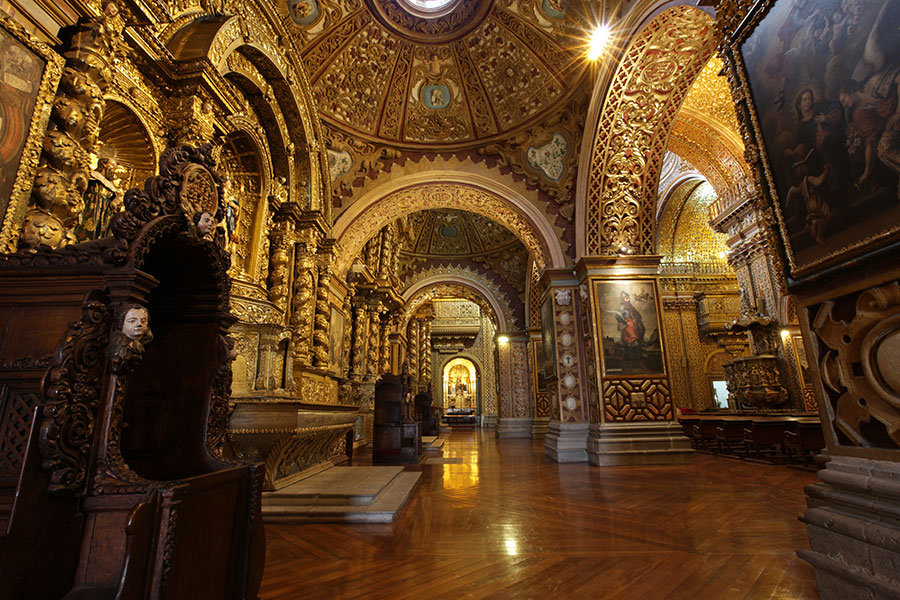
Iglesia de la Compañía de Jesús
La iglesia y el convento San Ignacio de Loyola de La Compañía de Jesús de Quito, también conocida simplemente como La Compañía tiene su fachada labrada totalmente en piedra volcánica y su interior cubierto con pan de oro de 23 quilates está considerada como una de las más importantes expresiones de la arquitectura barroca en el continente americano y del mundo. El templo, por haber sido construido durante 160 años y con diferentes arquitectos, maneja cuatro estilos en su arquitectura, aunque predomina el arte barroco.
4
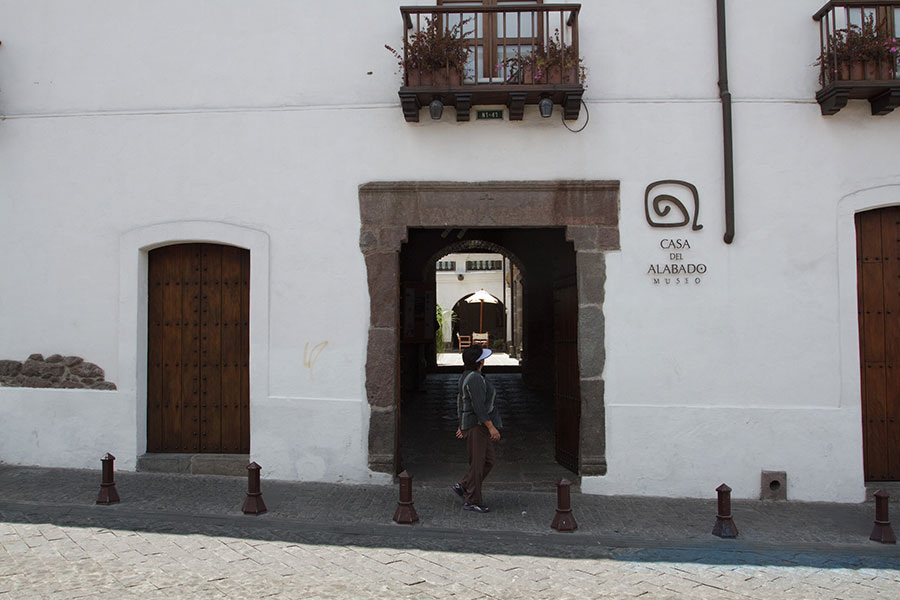
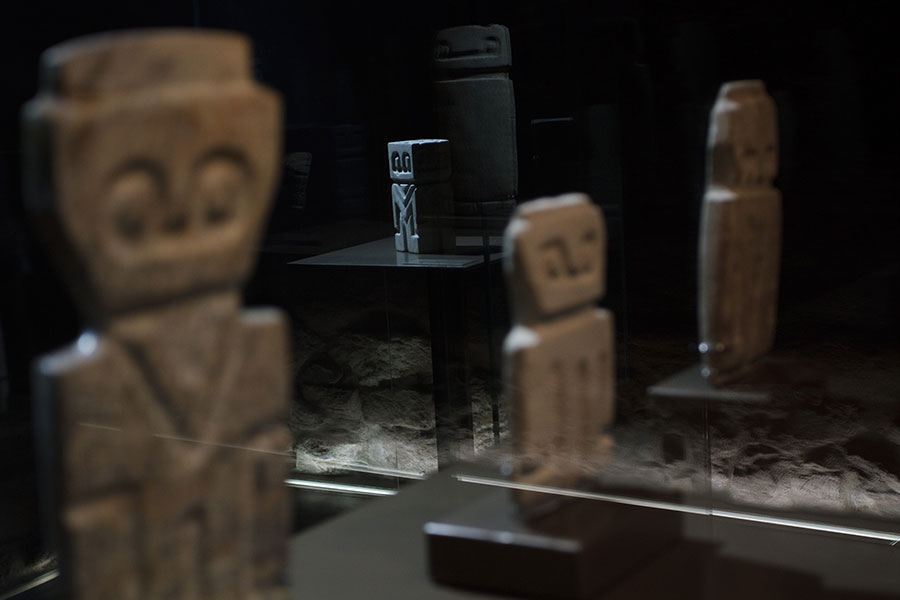
Casa del Alabado
Museo de Arte Precolombino – La Casa del Alabado – Museo de Arte Precolombino, reúne algunas de las piezas más representativas del arte precolombino del actual Ecuador, ofreciendo algunas interpretaciones sobre su significado artístico, antropológico y brindando una experiencia significativa a cada visitante. El Alabado custodia alrededor de 5000 piezas arqueológicas de las cuales 500 conforman la exposición permanente. El museo está organizado de manera temática y no cronológica o geográfica lo que permite que los visitantes generen sus propias conexiones visuales y culturales sobre las piezas y reflexionen sobre la excelencia que alcanzaron sus artífices en la técnica, el manejo de los materiales, además del alto sentido estético que demostraron.
5
Restaurante Cantuña
El almuerzo está previsto en el restaurante situado dentro del hotel boutique
Patio Andaluz en el centro histórico de Quito.
6
Capilla del Hombre
Museo de Guayasamín ha sido catalogada por la UNESCO como proyecto cultural prioritario de la Humanidad. Contiene el museo de arte arqueológico más grande del país con más de 8 mil piezas de arte colonial, arte contemporáneo, además alberga la colección más grande de arte de Guayasamín, que incluye obras de artistas indígenas altamente calificados de la Escuela Quiteña; incluso hay una colección de crucifijos sangrientos (aunque Guayasamín era agnóstico, incorporó imágenes torturadas, parecidas a las de Cristo, en su propio trabajo).
NOTAS IMPORTANTES
- Todas las tarifas son en dólares estadounidenses y por persona.
- Las tarifas se aplican a lo largo del año, excepto en feriados ecuatorianos.
- Los recorridos de 1 a 3 pasajeros se realizan con un guía-conductor; en el caso de que se requiera un servicio diferente, aplica suplemento.
- Las tarifas en los itinerarios son por persona según el tipo de habitación, el hotel y las actividades detalladas en este documento.
- Las tarifas para los programas en la selva son por persona según el tipo de habitación y categoría de hotel indicada e incluye todas las actividades y comidas detalladas en el itinerario.
- Las noches en los hoteles indicados en los itinerarios incluyen desayuno e impuestos.
- Si los impuestos locales cambian, las tarifas se actualizarán y los operadores turísticos serán informados y los itinerarios actualizados.
- Outlet Viajes se reserva el derecho de modificar los itinerarios debido a eventos imprevistos o regulaciones nacionales. Los operadores turísticos serán informados y los itinerarios actualizados en consecuencia.
Un Viaje Perfecto con la
Asesoría de Expertos
Nuestro equipo altamente calificado está listo para desplegar su conocimiento y pasión para hacer realidad tus sueños de viajar por Ecuador, cuidando cada detalle de tu itinerario para asegurarnos de que cada momento sea excepcional. Tu viaje perfecto comienza con nosotros.